In the United States, no. No McDonald's restaurant in the US is halal certified, the meat is not halal slaughtered, and pork is cooked in the same kitchen as everything else. This is not a grey area or a matter of which branch you visit. It is the plain position across the whole country.
That answer is easy to give and easy to get wrong, because McDonald's is fully halal in many other countries and travellers reasonably assume the same rules travel with the brand. They do not. What follows is what our own weekly reading of the published ingredient statements actually shows, item by item, so you can judge the menu with the facts in front of you rather than a rumour.
Why the US Answer Is No
Three things sit behind it. The first is certification: halal status requires an accredited body to certify the supply chain and the restaurant, and no US McDonald's carries that certification. The second is the slaughter itself, which is conventional rather than halal for the beef and chicken across the American supply chain. The third is the kitchen.
That third point is the one people underestimate. We count fifteen items on the current menu whose published ingredient statement names pork, and every one of them is prepared in the same kitchen, on the same surfaces, by the same hands as the rest of the food.
- Sausage McMuffin, Sausage McMuffin with Egg, Sausage Biscuit and Sausage Biscuit with Egg
- Bacon, Egg & Cheese Biscuit, Bagel and McGriddles, plus the Honey Brown Butter version
- Sausage, Egg & Cheese McGriddles and Sausage Egg and Cheese Bagel
- Big Breakfast, Big Breakfast with Hotcakes and Hotcakes and Sausage
- Sausage Burrito, and the Egg McMuffin, which carries Canadian bacon
The Egg McMuffin catches people out. It reads as a simple egg and cheese sandwich, but the Canadian bacon in it is pork, and it appears in our pork list for exactly that reason.
The Fries Are Not Neutral Either
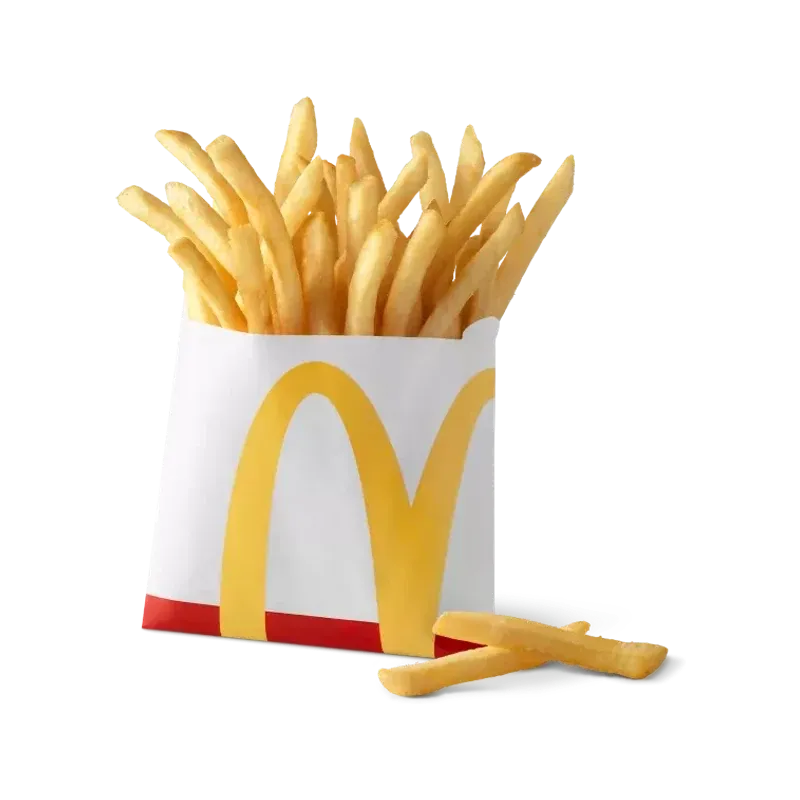
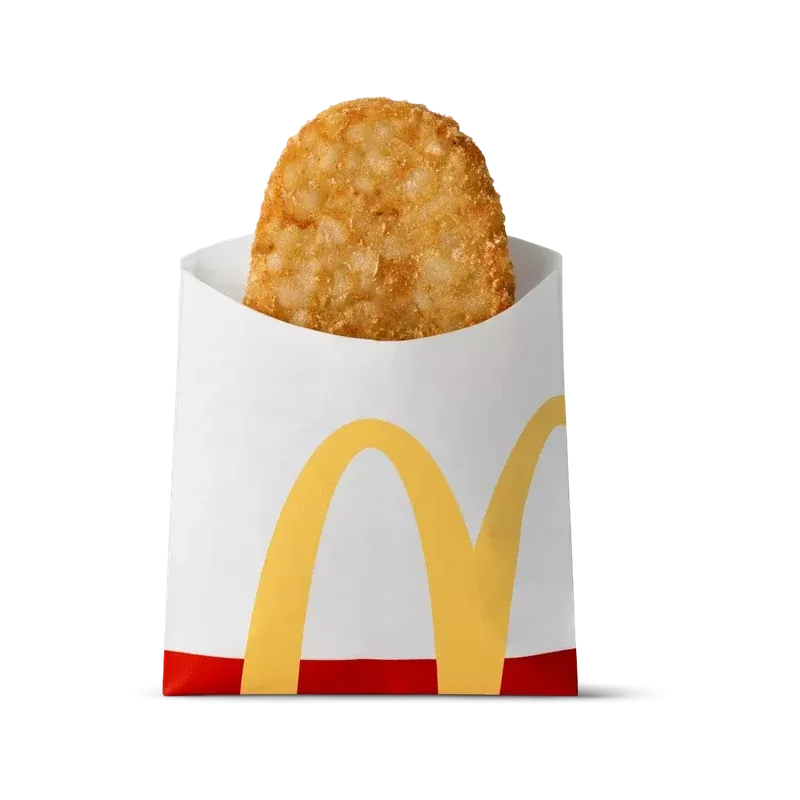
This is the detail we would most want a reader to leave with. In the United States the frying oil carries Natural Beef Flavor, and McDonald's own published statement notes that it contains hydrolysed wheat and hydrolysed milk as starting ingredients. That flavouring is in the Small French Fries at $4.49 and in the Hash Browns at $2.99.
So the fries are not simply potatoes and oil here, and the beef derivative in them is not halal beef. In many other countries the same fries carry no beef flavouring at all, which is why a visitor who ate them happily abroad may be surprised to find the American version different.
Every ingredient claim in this post is read from the statement McDonald's publishes for that item, which we refresh weekly. Each item page here shows the full statement so you can check it yourself rather than take our word for it.
Was There Ever a Halal McDonald's in America?
Yes, briefly and locally. For years a small number of restaurants in the Dearborn area of Michigan, which has a large Arab American population, served halal McNuggets and halal chicken sandwiches. That arrangement ended after litigation over how consistently the halal claim had been honoured, and the halal offering was withdrawn.
Since then McDonald's has not run a halal programme anywhere in the United States. If you see a claim that a particular branch is halal, treat it with real caution and ask the restaurant directly for its certification.
Where McDonald's Is Halal
In Muslim-majority countries the position reverses completely. Across the Gulf, in Malaysia, Indonesia, Pakistan, Turkey and much of the Middle East, McDonald's operates under national halal certification, serves no pork at all, and the menus are built around that. Chains in several Muslim-minority countries run certified halal restaurants too.
That is the source of nearly all the confusion. The brand is global, the certification is national, and nothing about the arches tells you which rules apply where you are standing.
So What Can You Actually Eat?
We are a menu and price site, not a religious authority, and where the line falls is your call rather than ours. What we can do is set out plainly what the published ingredients say, because observant customers differ on how they treat non-certified meat, shared equipment and animal-derived flavourings.
If your concern is avoiding pork specifically, the fifteen items above are the ones to avoid, and they are concentrated almost entirely in the breakfast menu. If your concern extends to non-halal beef and chicken, that rules out the burgers, the McNuggets and the chicken sandwiches as well. If it extends to beef-derived flavourings, the fries and Hash Browns go too.
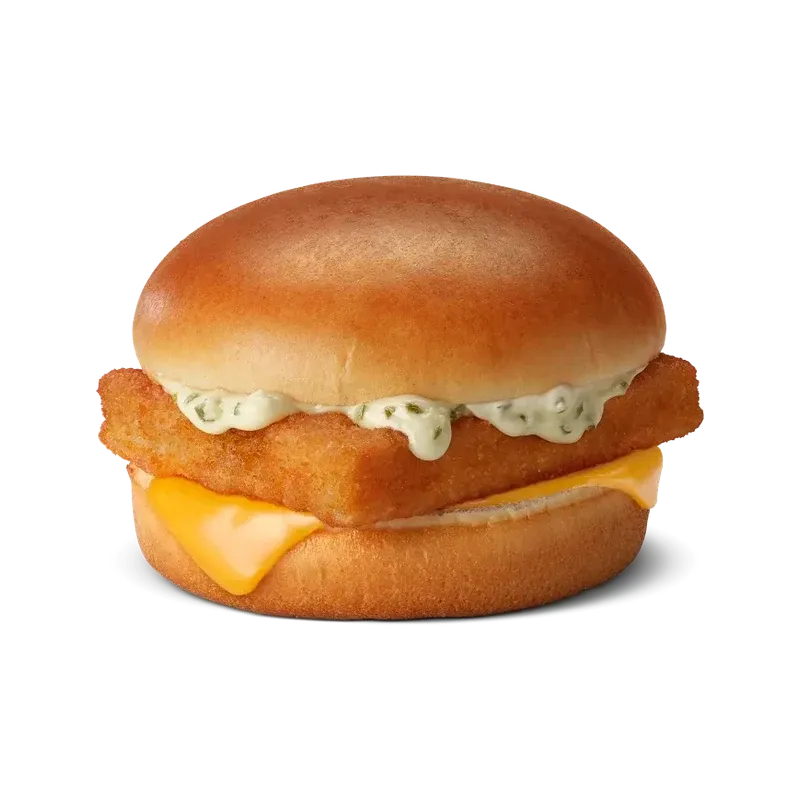
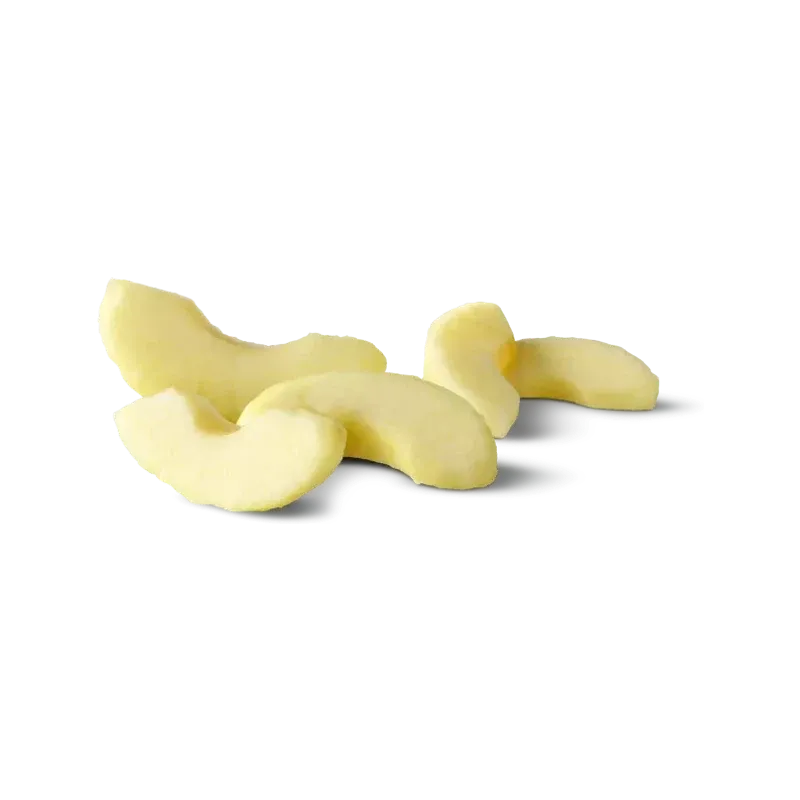
What is left is the part of the menu with no meat in it at all: Apple Slices at $1.35, the coffees and teas, the soft drinks, and the plant-based sauces. Filet-O-Fish is fish rather than meat, though it is fried in the same kitchen and shares equipment. We list every one of those items with its full ingredient statement on our nutrition page, and none of that removes the shared-kitchen question, which no amount of ordering around the menu solves.
Our Honest Take
If halal matters to you strictly, US McDonald's is not a restaurant that can serve you, and we would rather say that clearly than help you talk yourself into an order. A drink and a side is not a meal, and the kitchen question sits underneath everything anyway.
How to Check an Item Yourself
You should not have to take our reading on trust, so here is how to do your own. Every item page on this site reproduces the full ingredient statement McDonald's publishes for that item, broken into its components, and the same statements are available in the McDonald's app and on posters in most restaurants.
A few things are worth knowing before you read one. Ingredient statements list what is added, not how the animal was slaughtered, so a statement can look clean and still describe non-halal meat. Flavourings are where the surprises hide, as the beef flavouring in the frying oil demonstrates. And an allergen line is not a suitability line: it exists to warn about wheat, milk, egg and nuts, and it will never tell you anything about pork or slaughter method.
There is also a limit to what any published list can settle. Shared fryers, shared grills and shared utensils are a matter of kitchen practice rather than ingredients, and they do not appear in a statement at all. On that question the only useful source is the restaurant itself.
We flag what the data shows and stop there. Fifteen items name pork, the fries and Hash Browns carry beef flavouring, and nothing in the United States is certified. What you do with that is properly yours to decide, and if the answer matters to you as a religious obligation rather than a preference, your own scholar is a better guide than any menu site.
If you are travelling and want certainty, ask for the certification at the counter rather than relying on a menu board or a website, including this one. Certification is the only thing that answers the question properly, and it is the one thing an ingredient list cannot tell you.